How Common is Canine Epilepsy?
Key Takeaway: Canine epilepsy, or seizure disorders, affect all breeds, including mixed breeds.
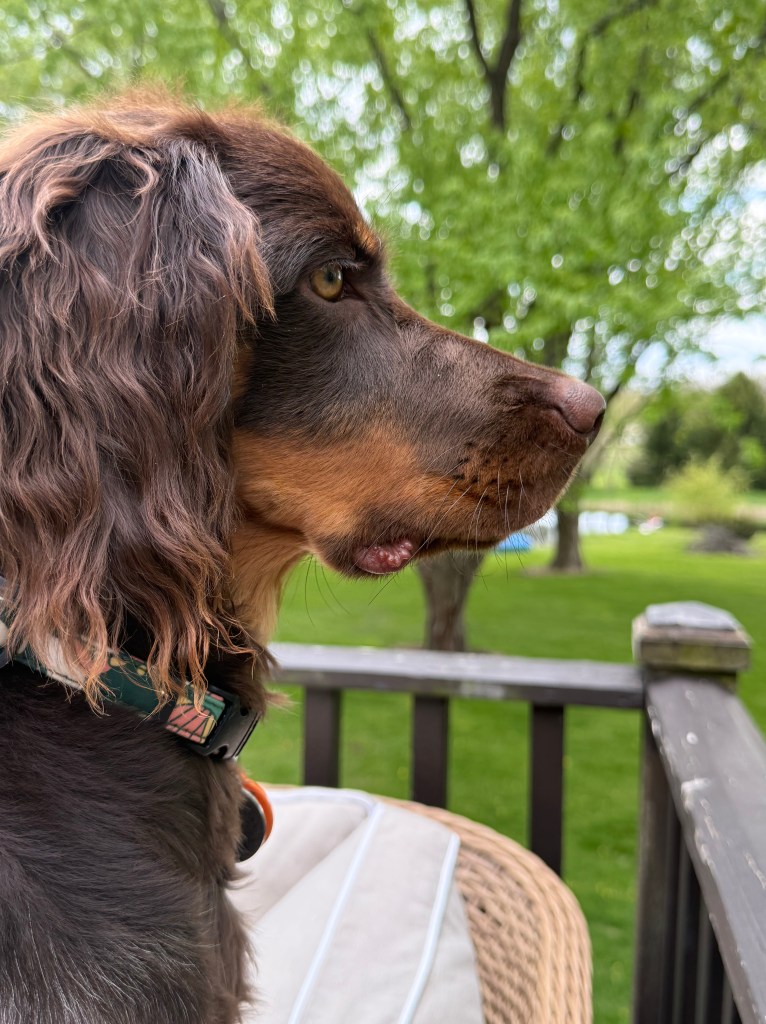
Canine epilepsy is the most common neurological disorder in dogs. So, how common are seizures in our beloved hunting partners and family companions? An average of ~1% of all dogs, regardless of breed, are plagued by reactive, structural or idiopathic epilepsy…that means ~1 out of every 100 dogs is likely to have epileptic seizures. To put that into perspective, the percentage of dogs in North America having hips that are OFA-graded as ‘Severely Dysplastic’’ or ‘E’ is 1-2%. On average then, the chances are about equal for a dog to be affected by canine epilepsy as to have severely dysplastic hips. And while the odds are very small, no one should be shocked then when a Picardy Spaniel is diagnosed with canine epilepsy. No one is too surprised when a Picardy Spaniel is graded E, or severely dysplastic. Disappointed, yes, but hip dysplasia is a reality that we have all come to accept. That said, reports of canine epilepsy in Picardy Spaniels…as well as many other breeds…are often met with skepticism, criticism and attacks. Especially on social media. There have been several social media posts about epilepsy in the Picardy Spaniel breed in the past ~5 years that have gone viral, and not in a good way. These posts have blown up breeding alliances, created friction within breed clubs, and ruined relationships. People have been bullied and berated, and lawsuits for libel/slander have been threatened. For some reason canine epilepsy is a disease that many breeders won’t admit exists in the breed, much less discuss openly. Like it or not, epilepsy occurs in EVERY breed. Just like hip dysplasia. It’s a fact. That said, some breeds are more likely to develop canine epilepsy than others, as are some bloodlines…just like hip dysplasia. More on this later on in the series…
Reminder
- There are 3 types of canine epilepsy, with Idiopathic Epilepsy being the most commonly diagnosed.
Fast Facts
- Canine epilepsy occurs in EVERY breed of dog.
- On average 1% of all dogs/breeds globally are affected by canine epilepsy.
- Purebred dogs tend to have a higher incidence of canine epilepsy than mixed breeds.
- Regardless of anything anyone tells you, your breed/bloodline is not immune.
- Statistically, it’s likely that ~2 Picardy Spaniels will be affected by epilepsy every year.
-read more-
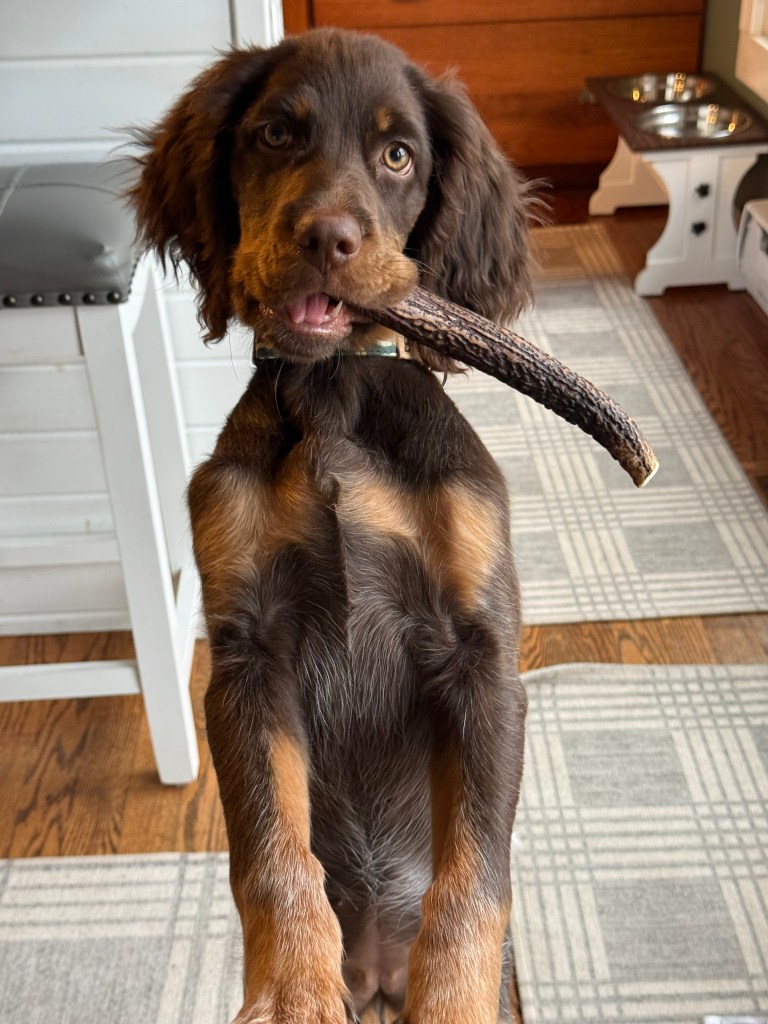
With a total global population of only ~2,000 dogs, the Picardy Spaniel is considered a rare breed. Unfortunately there is no centralized governing body for the breed, so registrations occur in multiple countries and across various platforms. So, there’s a good chance the actual population is a bit higher, or a bit lower. But, whether the actual population is 1,800 dogs, 2,000 dogs, or 2,200 dogs, the math as it relates to the risk of canine epilepsy in the breed is the same. And we know firsthand that there is a risk as canine epilepsy occasionally shows up in the breed…puppies from one of our litters were affected by idiopathic epilepsy. There have also been Picardy owners and breeders in Europe who have told us they have, or have produced a Picardy that has been diagnosed with canine epilepsy.
Statistically speaking, if ~1% of all breeds are impacted by epilepsy, it’s likely that ~1% of Picardy Spaniels will be impacted by canine epilepsy. Assuming the global population of Picardy Spaniels IS 2,000 dogs, the math would suggest that 20 dogs either have been diagnosed with, or will be impacted by, canine epilepsy or seizures. I’ve been researching the breed for 15 years and a Picardy owner for 10. That’s almost long enough for a complete generation of Picardy’s to whelp, live and pass. During the past 10 years there have been a dozen litters whelped where one or more dogs has had seizures, diagnosed or presumed to be idiopathic epilepsy, totaling 20 individual dogs. These are the cases I know of…from breeders and/or owners who are willing to openly acknowledge canine epilepsy. There are undoubtedly more, and we are hoping that if there are we will learn about them through this series of articles.
In order to predict how many Picardy Spaniels are likely to develop canine epilepsy in any given year we need to determine how many puppies are whelped annually. Scientific research indicates that approximately 10% of an average canine population needs to be replaced annually to maintain the population. That means that for the Picardy population to sustain itself there would need to be ~200 puppies whelped annually. Again, because there’s no single global registry for the Picardy Spaniel it’s difficult to pinpoint the exact number of pups that are whelped annually. But a review of registrations from various regulatory clubs and associations…where available… suggests that over the past 5 years there have been ~200 Picardy Spaniel pups whelped annually. Statistically then, the expected number of cases of epilepsy is ~2/year across the entire Picardy Spaniel population.
What does all this mean for prospective Picardy Spaniel owners?
- Don’t make a mountain out of a molehill, but also don’t assume that canine epilepsy can’t happen either. It occurs in every breed. So, whether you decide on a Picardy Spaniel, a Small Munsterlander, a Gordon Setter or a mutt from the humane society, there will always be a small risk of your dog developing canine epilepsy.
- If a breeder says “not in this breed…” they are either uninformed, or not being truthful.
Unfortunately we’ve had epilepsy in a litter of Picardy Spaniel puppies we’ve whelped, which is why we’ve decided to share the information we’ve uncovered about canine epilepsy. The publication of this series may be uncomfortable for some folks, but we are more concerned with the long-term health of our breed than about being politically correct. Our goal with this series on canine epilepsy is twofold.
- First, we want to share the information we’ve uncovered about canine epilepsy. Had we known a few years ago what we know now about canine epilepsy we would have made some different decisions with our dogs. Hopefully this series will help owners and breeders make more informed decisions about breeding and about the health of their dogs.
- Second, we want to figure out how best to minimize the risk of canine epilepsy in the Picardy Spaniel going forward. To try and achieve this goal we’re working with one of our puppy owners who is a biostatistician for a large US-based health care company. There is also a group in Europe that is working with a canine geneticist in Germany. We plan to share our data with the European group once we have run all the statistics and completed the pedigree modeling.
If you want to help, please email us directly if you own, have bred or otherwise know of a Picardy Spaniel that has epilepsy or has had seizures. Thank you in advance for your help. We not only need to be open and transparent about how great the Picardy Spaniel is, but also about any and all health issues if we are going to be good stewards of the breed. Our children, grand children, great grand children, etc. should be able to enjoy healthy Picardy Spaniels long after we’ve crossed the rainbow bridge.
Please feel free to email questions, comments and/or the names of any Picardy Spaniel affected by seizures to ricplath@gmail.com.
Reference Material Sourced From:
- University of Missouri Veterinary Health Center
- National Institute of Health (NIH)
- Cornell University College of Veterinary Medicine
- Tuft’s Canine and Feline Breeding Conference
- University of California – Davis
- Royal Veterinary College
- University of Manchester
- University of Helsinki
- University of Minnesota College of Veterinary Medicine
- Institute of Canine Biology
- My Epileptic Pet – Domes Pharma
- WebMd
- Genetics for Dog Breeders – Hutt
- Veterinary Partner
- Frontiers in Veterinary Science
- Double Helix Network News
Ric, Ellen and their Picardy Pack live in Westby, WI. A lifelong hunter, Ric has trained and hunted Small Munsterlanders, Gordon Setters, and for the past 10 years Picardy Spaniels. Ellen has an extensive background in animal genetics and a PhD in Reproductive Physiology. She bred and trained Greater Swiss Mountain Dogs prior to Picardy Spaniels.