What is Canine Epilepsy?
Key Takeaway: There are 3 types of canine epilepsy, with Idiopathic Epilepsy being the most commonly diagnosed.
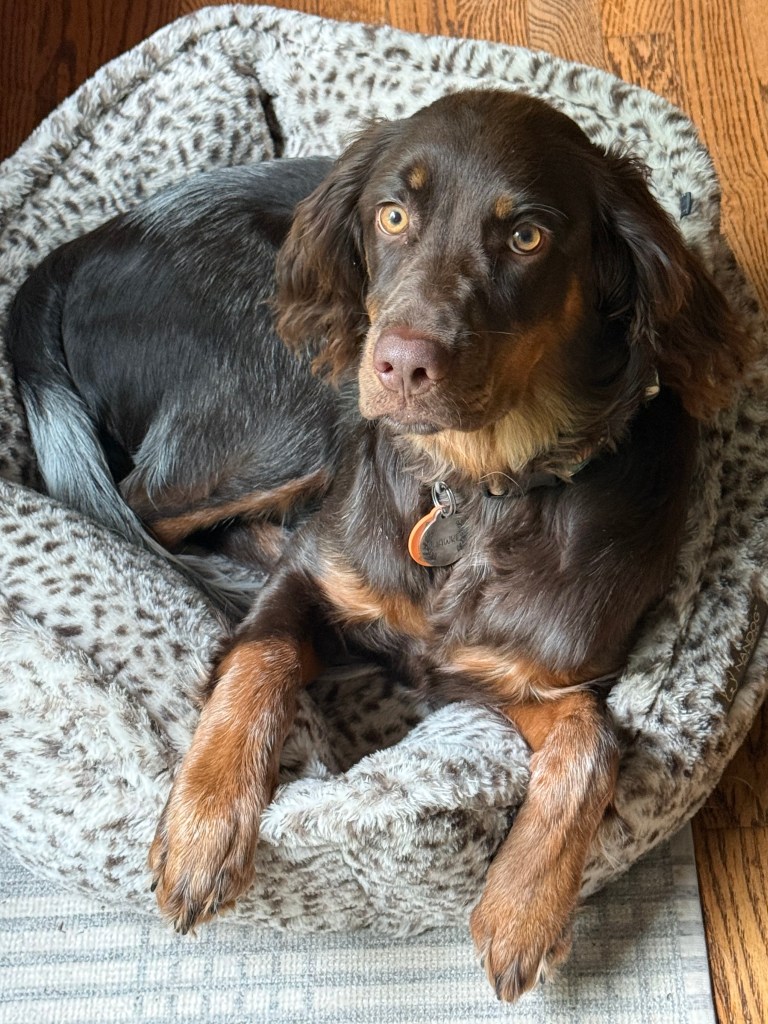
Seizures are a symptom of some underlying problem in a dog, not a medical condition…a medical condition is what causes the seizures. In layman’s terms, a seizure is caused by an electrical short circuit in a dog’s brain. In medical terms a seizure is often referred to as ‘a temporary, involuntary disturbance of normal brain function, likely in the cerebral cortex, that is usually accompanied by uncontrollable muscular activity.’ So, seizures are actually the outward symptoms of an underlying problem in a dog. The abnormal, and seemingly random, electrical activity in their brain causes an overload, and that overload causes the dog to have a seizure. And seizures constitute a medical emergency for your dog…it goes without saying that you should definitely get your dog to a vet asap if s/he has a seizure of any type or magnitude. Because regardless of the type of epilepsy that’s causing the seizure, the behaviors and symptoms in an epileptic dog are similar. If your dog is diagnosed with epilepsy s/he will likely need ongoing medical treatment or, in some cases, surgery, to manage or combat the seizures. It’s important to point out not all seizures are what most of us think they are…your unresponsive dog lying on its back, tongue hanging out, eyes rolled back and drooling, its muscles spasming uncontrollably. In some cases a seizure may not be severe enough for you to even recognize something is wrong with your dog. Regardless of the severity or the cause of a seizure, canine epilepsy is often an incurable, lifelong disease…a disease that continues to evade scientists in their efforts to determine the cause(s) and developing a cure in dogs and humans.
Fast Facts
- Epilepsy is a term used to describe repeated episodes of seizures.
- Seizures can range from minor, almost unnoticeable behaviors, to severe Grand Mal clusters.
- There are three types of canine epilepsy…Reactive, Structural and Idiopathic.
- Idiopathic epilepsy is the most commonly diagnosed type of canine epilepsy.
- Dogs with idiopathic epilepsy typically have their first seizure between 6 months and 6 years of age.
-read more-
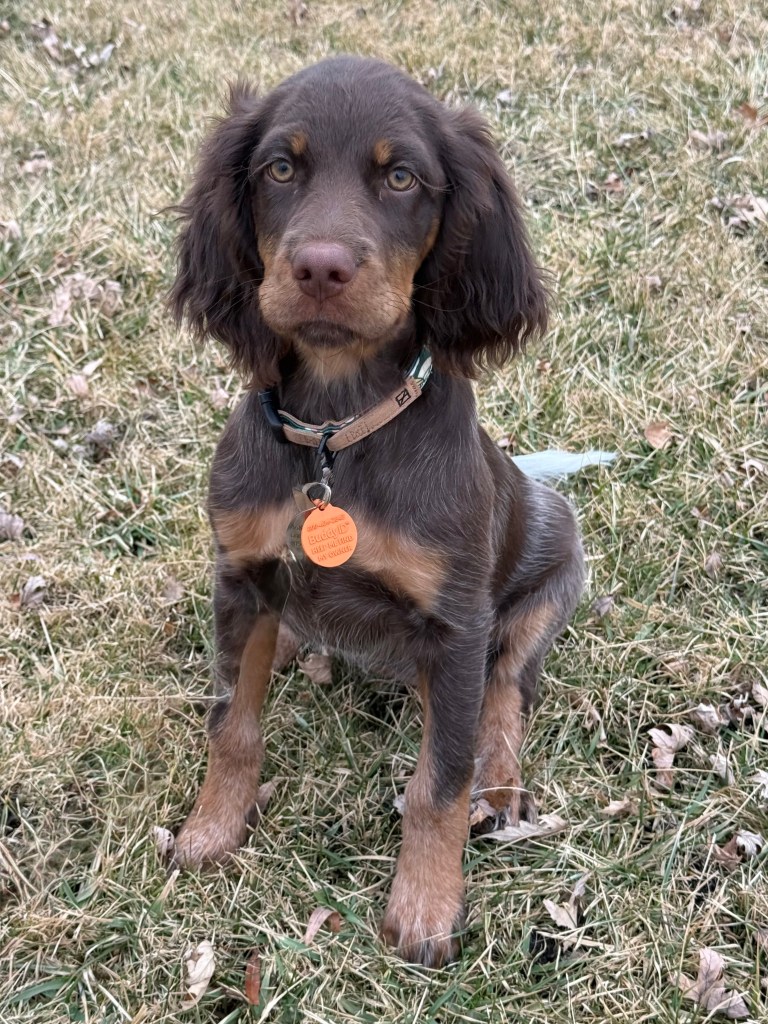
There’s a fairly standard timeline of events that occur with canine epileptic seizures. Just prior to having a seizure your dog might seem whiny, nervous and/or restless. This is referred to as the ‘Pre-Ictal Phase,’ which, more simply put, means ‘before a sudden physiologic event such as a seizure or stroke.’ Basically your dog is having a freak out of sorts because they know something bad is happening, or about to happen. Whether we can infer they’re trying to tell us or not is questionable, but there are working dogs whose job is to let their owner know they are going to have a seizure. So, if a dog can foretell a seizure in a human, it stands to reason they may be able to sense one coming on in themselves. The ‘Ictal Phase,’ or seizure(s) themselves are next, and that is followed by the ‘Post-Ictal Phase.’ During this last stage, while your dog is recovering from the seizure, s/he may act dazed and confused, and might not be able to see.
Three types of canine epilepsy cause seizures in our four-legged friends…Reactive, Structural and Idiopathic.
- Reactive Epilepsy, also referred to as Secondary or Environmental Epilepsy occurs in dogs with a ‘normal brain.’ Seizures in dogs diagnosed with Reactive Epilepsy can be caused by ingesting and reacting to a toxin such as caffeine, exposure to certain chemicals, a tumor. And there are many plants and drugs that can cause your dog to get sick, and possibly have seizures. The good news is that Reactive Epilepsy is usually curable. Your dog can be purged of a toxin they’ve ingested, you can stop using certain insecticides/arachnicides, and/or s/he can be treated for whatever metabolic disease caused the seizures.
- Structural Epilepsy is caused by some ‘identifiable’ problem in your dog, which can be neurological or the onset of some systemic disorder such as liver- or kidney diseases. Neurological problems include, but are not limited to brain tumors, recent or past head trauma, inflammation, infections (distemper/rabies), as well as congenital and degenerative diseases. Dogs with Structural Epilepsy often have problems other than seizures…balance issues, abnormal behaviors, vision loss, etc. In some cases Structural Epilepsy can be cured through medical intervention, such as removing a tumor or correcting an electrolyte imbalance, while in others there is no cure. Structural Epilepsy typically shows up in dogs over 6 years of age.
- Idiopathic Epilepsy is the least understood, but most commonly diagnosed form of canine epilepsy. Over half of all documented cases of canine epilepsy fall into this category. That said, idiopathic epilepsy can be a diagnosis of exclusion as very few owners take their dog to a canine neurologist to have an MRI, spinal fluid analysis and other expensive testing. Instead a general practice veterinarian who can’t find a cause via an examination, X-Rays and basic bloodwork makes a diagnosis of idiopathic epilepsy as the most likely cause of their seizures. The actual cause of Idiopathic Epilepsy has evaded veterinary research institutions for decades. A dog’s genetics are believed to play a major role in causing Idiopathic Epilepsy, but it is likely that there are environmental factors involved as well. So, other than seizures, a dog with Idiopathic Epilepsy appears perfectly healthy to owners and veterinarians alike. Seizures vary in frequency…sometimes they occur daily and other times the same dog may go weeks or even months without a seizure. Dogs diagnosed with Idiopathic Epilepsy typically begin having seizures when they are between 6 months and 6 years old, with the average being closer to 2.5 years of age. In some breeds male dogs may be more predisposed to idiopathic epilepsy than females. Anticonvulsant medications may reduce the frequency of seizures and improve the dog’s quality of life, but Idiopathic Epilepsy is an incurable, lifelong disease that will likely shorten the lifespan of an affected dog. To make matters worse, up to a third of dogs with Idiopathic Epilepsy do not respond to anti-seizure medications.
Unfortunately we’ve had epilepsy in a litter of Picardy Spaniel puppies we’ve whelped, which is why we’ve decided to share the information we’ve uncovered about canine epilepsy. The publication of this series may be uncomfortable for some folks, but we are more concerned with the long-term health of our breed than about being politically correct. Our goal with this series on canine epilepsy is twofold.
- First, we want to share the information we’ve uncovered about canine epilepsy. Had we known a few years ago what we know now about canine epilepsy we would have made some different decisions with our dogs. Hopefully this series will help owners and breeders make more informed decisions about breeding and about the health of their dogs.
- Second, we want to figure out how best to minimize the risk of canine epilepsy in the Picardy Spaniel going forward. To try and achieve this goal we’re working with one of our puppy owners who is a biostatistician for a large US-based health care company. There is also a group in Europe that is working with a canine geneticist in Germany. We plan to share our data with the European group once we have run all the statistics and completed the pedigree modeling.
If you want to help, please email us directly if you own, have bred or otherwise know of a Picardy Spaniel that has epilepsy or has had seizures. Thank you in advance for your help. We not only need to be open and transparent about how great the Picardy Spaniel is, but also about any and all health issues if we are going to be good stewards of the breed. Our children, grand children, great grand children, etc. should be able to enjoy healthy Picardy Spaniels long after we’ve crossed the rainbow bridge.
Please feel free to email questions, comments and/or the names of any Picardy Spaniel affected by seizures to ricplath@gmail.com.
Reference Material Sourced From:
- University of Missouri Veterinary Health Center
- National Institute of Health (NIH)
- Cornell University College of Veterinary Medicine
- Tuft’s Canine and Feline Breeding Conference
- University of California – Davis
- Royal Veterinary College
- University of Manchester
- University of Helsinki
- University of Minnesota College of Veterinary Medicine
- Institute of Canine Biology
- My Epileptic Pet – Domes Pharma
- WebMd
- Genetics for Dog Breeders – Hutt
- Veterinary Partner
- Frontiers in Veterinary Science
- Double Helix Network News
Ric, Ellen and their Picardy Pack live in Westby, WI. A lifelong hunter, Ric has trained and hunted Small Munsterlanders, Gordon Setters, and for the past 10 years Picardy Spaniels. Ellen has an extensive background in animal genetics and a PhD in Reproductive Physiology. She bred and trained Greater Swiss Mountain Dogs prior to Picardy Spaniels.